Starting A Laser Engraving Business In 2026: Costs, Equipment, And What To Expect
Discover the complete roadmap to launching a profitable laser engraving business in 2026, from initial investment and industrial-grade equipment selection to hands-on training and long-term success strategies.
Understanding The True Investment: Equipment Costs And Financing Options For 2026
Starting a laser engraving business requires a clear understanding of the financial commitment involved. Social media showcases impressive custom products and profitable projects, but the reality is that success depends on making informed equipment choices backed by proper budgeting. The total investment extends beyond the machine itself to encompass essential supporting equipment, materials, and business infrastructure.
The laser machine represents the largest single investment, with industrial-grade fiber laser systems typically ranging from $20,000 to $60,000 depending on power output, work envelope size, and advanced features. Desktop laser systems designed for lighter production may start around $5,000 to $15,000, though these units often lack the durability and performance consistency required for sustained commercial operations. When evaluating machine costs, focus on total capability rather than initial price—a properly specified industrial system delivers stable, repeatable performance that directly impacts production efficiency and profitability.
Beyond the laser system, budget for critical supporting equipment and infrastructure. A dedicated computer with appropriate processing capability runs $1,200 to $2,500. Proper ventilation systems, essential for maintaining air quality and regulatory compliance, range from $500 for basic filtration to $3,000 for industrial extraction systems. Initial material inventory for testing and first production runs typically requires $500 to $2,000. Software licensing, if not included with your machine, adds $300 to $1,500 annually. Marketing expenses for website development, business cards, and initial advertising should be budgeted at $1,000 to $3,000.
Professional training represents one of the most valuable investments in your startup budget. Comprehensive hands-on training programs, such as the 5-day intensive courses offered by established manufacturers, range from $2,000 to $5,000. This investment accelerates your path to profitability by months, reducing material waste during the learning curve and establishing efficient production workflows from day one. Factor in travel and accommodation costs if training requires relocation.
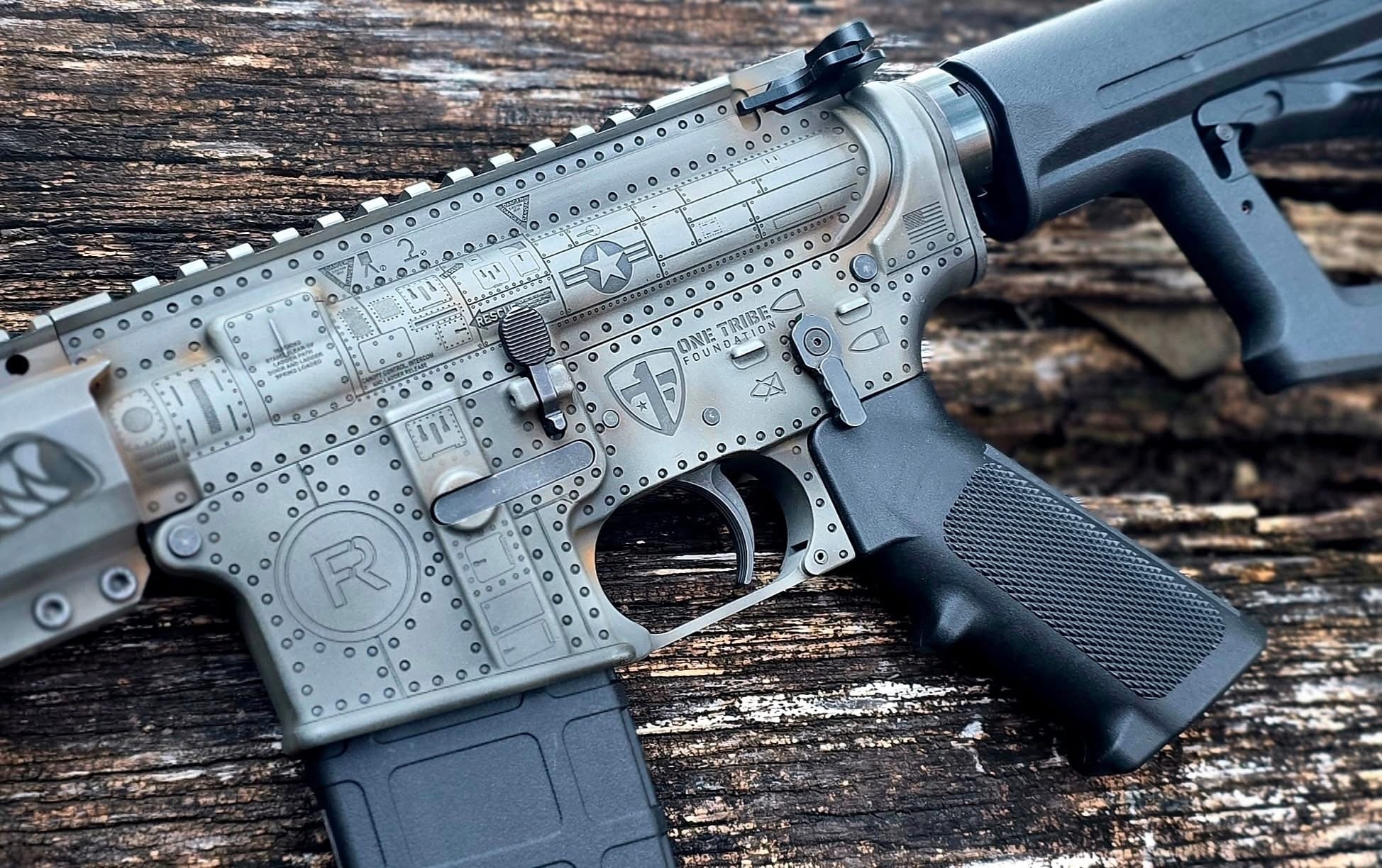
Realistic total startup costs for a properly equipped laser engraving business range from $25,000 to $75,000 depending on equipment selection and business model. Entrepreneurs entering the firearms customization or industrial marking sectors typically invest toward the higher end due to equipment precision requirements. Sign shops or promotional product businesses expanding existing capabilities may enter at moderate investment levels. Many manufacturers offer financing options with terms from 36 to 60 months, making industrial-grade equipment accessible without depleting working capital reserves. Evaluate financing based on projected revenue timelines—monthly payments should align with realistic income expectations during your first 12 months of operation.
Selecting Industrial-Grade Equipment That Matches Your Business Goals
Equipment selection determines which markets you can effectively serve and directly impacts production efficiency, marking quality, and long-term profitability. The decision between fiber laser and alternative technologies depends entirely on your target applications and material requirements. Understanding the fundamental capabilities of each technology prevents costly mismatches between equipment and business objectives.
Fiber laser systems excel at marking, engraving, and cutting metal materials with exceptional precision and speed. These systems generate permanent, high-contrast marks on stainless steel, aluminum, brass, copper, titanium, and tool steel without consumables or surface preparation. Fiber lasers deliver clean, repeatable results on firearms, industrial components, medical devices, aerospace parts, and promotional metal products. The technology's efficiency stems from high absorption rates in metallic materials—fiber wavelengths interact directly with metal surfaces, producing sharp detail and deep engraving in single passes. For businesses targeting firearms customization, industrial part marking, or metal promotional products, fiber laser technology provides unmatched capability.
Alternative laser technologies serve different material sets and applications. Understanding these distinctions prevents equipment investments that cannot address your target market needs. Research each technology's material compatibility, production speed, maintenance requirements, and consumable costs before committing to a platform. The wrong equipment choice creates immediate limitations on the services you can offer and the clients you can serve.
Industrial-grade systems distinguish themselves through component quality, build precision, control systems, and manufacturer support infrastructure. Industrial machines feature rigid frame construction that maintains alignment under continuous operation, high-quality motion systems that deliver consistent positioning accuracy, and proven laser sources with documented longevity. Control interfaces on industrial systems provide granular parameter adjustment for material-specific optimization. Manufacturer support includes comprehensive training, technical assistance, replacement parts availability, and software updates. These factors directly impact your ability to maintain production schedules, achieve consistent quality, and minimize downtime.
When evaluating specific equipment options, prioritize manufacturers with demonstrated expertise in your target applications. Companies specializing in firearms engraving, for example, understand ATF requirements, provide appropriate design files, and offer training focused on serial number placement and decorative customization. Manufacturers serving industrial clients provide parameter libraries for production materials, understand integration with manufacturing workflows, and offer support for high-volume operations. Equipment selection should account for work envelope size relative to your typical parts, power output matched to material thickness and production speed requirements, and software compatibility with your design workflow. The goal is selecting a system that meets current needs while providing capability to expand into adjacent markets as your business grows.
Why Comprehensive Hands-On Training Accelerates Your Path To Profitability
The learning curve associated with laser engraving equipment represents a significant hidden cost for new business owners. Without proper training, entrepreneurs spend months experimenting with settings, wasting materials, and producing inconsistent results while struggling to build customer confidence. Comprehensive hands-on training eliminates this extended learning period, providing immediate capability to produce professional work and begin serving customers effectively.
Structured training programs cover the essential technical and production knowledge required for commercial laser operations. Effective programs include detailed instruction on laser safety and OSHA-compliant operation procedures, material testing methodologies for achieving optimal results across diverse substrates, software proficiency for design preparation and machine control, production workflow development for efficiency and consistency, maintenance procedures that prevent downtime, and troubleshooting approaches for resolving common issues independently. The best training integrates these elements through hands-on practice on actual production equipment, allowing participants to develop real skills rather than theoretical knowledge.
Material testing represents one of the most valuable training components. Different materials respond differently to laser parameters—power, speed, frequency, and focus position all affect marking depth, contrast, and edge quality. Professional training provides systematic testing approaches that establish baseline parameters, then guide optimization for specific results. This knowledge prevents the material waste and customer disappointment that plague self-taught operators. For firearms engravers, training includes testing on various firearm finishes and materials. For industrial marking applications, training covers stainless steel grades, anodized aluminum, powder-coated surfaces, and bare metals.
Software proficiency dramatically impacts production efficiency. Design software controls how artwork translates to machine motion—proper file preparation, vector optimization, and parameter assignment determine production speed and quality. Training programs that include intensive software instruction enable participants to prepare files efficiently, create custom designs, and troubleshoot common artwork issues. Many successful laser businesses report that software skills acquired during training provide ongoing competitive advantages, allowing them to handle complex custom projects that competitors struggle to execute.
The condensed timeline of intensive training programs creates momentum that translates directly into business success. A comprehensive 5-day training program, for example, provides the knowledge and confidence to begin accepting orders within days of returning to your facility. This compressed learning curve means you begin generating revenue months earlier than self-taught operators. The investment in professional training typically returns within the first few production jobs through reduced material waste, increased production speed, and the confidence to charge appropriate rates for professional work. Businesses that prioritize training consistently report faster paths to profitability and higher customer satisfaction than those attempting to learn independently.
Building Repeatable Workflows And Optimizing Machine Settings For Consistent Results
Commercial laser engraving success depends on the ability to produce consistent, high-quality results efficiently. Repeatable workflows eliminate the variability that frustrates customers and erodes profitability. Developing systematic approaches to common jobs allows you to provide accurate quotes, meet promised delivery times, and maintain quality standards that build customer trust and generate repeat business.
Establishing production workflows begins with standardizing your approach to common job types. For each service you offer, document the complete process from customer inquiry through final delivery. A typical workflow includes customer consultation and artwork approval procedures, file preparation steps and software settings, material selection and fixturing methods, machine parameter sets for consistent results, post-processing requirements such as cleaning or coating, quality inspection criteria, and packaging or delivery procedures. Written procedures ensure consistency across jobs and enable training if you add staff as your business grows.
Machine parameter optimization requires systematic testing and documentation. Industrial-grade laser systems provide extensive parameter control—power level, marking speed, pulse frequency, focus position, pass count, and fill patterns all affect final results. The optimal combination varies by material, desired effect, and quality requirements. Develop parameter libraries for your most common applications through structured testing. Begin with manufacturer-recommended settings, then systematically vary one parameter at a time while documenting results. Record successful parameter sets with sample images for reference. This library becomes invaluable for training, troubleshooting, and maintaining consistency across production runs.
Production efficiency improves dramatically through workflow refinement. Time each component of your process to identify bottlenecks. File preparation often consumes unexpected time—developing templates and standardized design elements reduces this burden. Material handling and fixturing impact production speed—investing in dedicated fixtures for common part geometries eliminates setup variation and reduces cycle time. Batch processing similar jobs improves efficiency—scheduling allows you to group jobs by material or setup requirements. Many successful laser businesses dedicate specific days to particular job types, minimizing changeover time and maintaining focus on specific production requirements.
Quality control procedures protect your reputation and reduce costly rework. Establish inspection criteria for each job type, focusing on the attributes customers value most. For firearms engraving, critical factors include mark depth consistency, character alignment and spacing, and finish protection. For industrial marking, focus on mark contrast, dimensional accuracy, and durability. Inspect first pieces before running production quantities. Document quality issues and the corrective actions that resolved them—this knowledge base prevents recurring problems. Customers consistently pay premium prices for reliable quality, making workflow consistency and optimization direct contributors to profitability.
Scaling Your Laser Engraving Operations With Ongoing Support And Community Resources
Long-term success in laser engraving requires access to ongoing technical support, continuing education, and peer knowledge sharing. The most profitable laser businesses maintain relationships with equipment manufacturers and participate in user communities that provide solutions to evolving challenges and opportunities to expand capabilities.
Manufacturer support infrastructure directly impacts your operational efficiency and uptime. Evaluate potential equipment suppliers based on the support they provide after purchase. Comprehensive manufacturer support includes responsive technical assistance for troubleshooting production issues, readily available replacement parts with clear pricing and delivery timelines, software updates that improve functionality and add capabilities, access to expanding parameter libraries for new materials and applications, and continuing education through webinars, videos, and documentation. Manufacturers with strong support infrastructures view customer success as ongoing partnerships rather than transactional equipment sales.
Private user forums and communities provide invaluable peer-to-peer knowledge sharing. Experienced operators share solutions to specific material challenges, efficient approaches to common jobs, and insights into profitable market niches. These communities often include discussions of pricing strategies, customer management approaches, and business development tactics that extend well beyond technical operation. The collective experience within established user communities represents years of real-world problem-solving that accelerates your own learning and helps you avoid common pitfalls.
Access to design resources and production files significantly reduces startup challenges. Manufacturers serving specific markets often provide libraries of design files appropriate for those applications. Firearms engravers benefit from border designs, pattern fills, and text layouts optimized for firearm surfaces. Industrial markers receive part templates and serial number formats. These resources allow new businesses to offer professional design options immediately rather than spending months developing custom artwork capabilities. Many successful operators report that manufacturer-provided design libraries enabled them to begin accepting orders within days of completing training.
Ongoing education opportunities keep your skills current as laser technology and market demands evolve. Manufacturers committed to customer success regularly release training content covering advanced techniques, new applications, and efficiency improvements. Webinars demonstrating specific procedures, video tutorials for software features, case studies showcasing successful business approaches, and technical bulletins addressing material-specific challenges all contribute to your expanding expertise. Businesses that engage with these educational resources consistently report higher productivity, expanded service offerings, and increased profitability compared to operators who rely solely on initial training.
As your business grows, leveraging manufacturer relationships for marketing support creates additional value. Some manufacturers offer certified operator programs that provide marketing materials, directory listings, and referrals to potential customers seeking qualified service providers. These programs formalize the relationship between equipment supplier and successful customer, creating mutual benefit through increased visibility and credibility in your target market. The most profitable laser engraving businesses view their equipment supplier as a strategic partner in long-term success rather than simply a source of machinery.